Here’s what actually happens.
No manual, no timeline, no editing. You give it a few photos and a presenter, and it does the rest — including the part most tools skip, which is working out what your ad should say in the first place.
The real demo is coming.
This block will show the analysis running, then the finished video. We're finishing the recording — read how it works below.
What you give it: a few photos and a presenter.
The photos you already have of your product, shot however you shoot them. Phone photos are fine.
And a presenter — the person who’ll appear in the video. Upload photos of someone if you have them, or pick from our models. Most people pick.
That’s the whole ask. No script, no brief, no shot list.
First, it works out who buys your product and why.
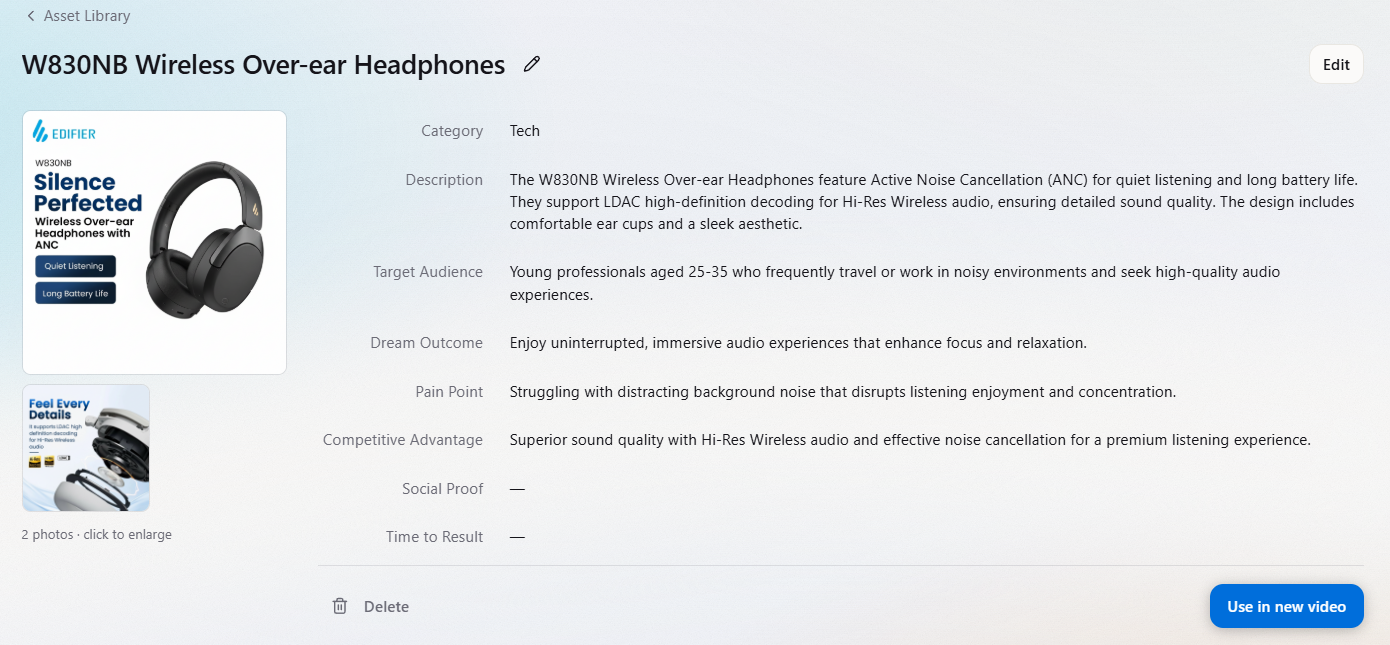
Before anything is written, it studies what you uploaded and answers five questions about your business: who actually buys this, what problem they’re trying to solve, what makes yours different from the alternative, what they’re really hoping for, and how quickly they’ll get it.
You watch it happen. It’s the first thing on screen — and if it’s got something wrong, you can correct it before a single frame is made.
No other tool does this. They take your prompt and start rendering. Which is why so much AI video is beautifully produced and says nothing.
Then it writes the ad to that argument.
The script comes out of the analysis, not out of a template with your product name dropped into it. It opens on the problem your buyer actually has and ends on the outcome they actually want.
Short-form, written to be watched with the sound off and read with captions on — because that’s how your ad will actually be seen.
Three things stay locked: your product, your presenter, your place.
This is where most AI video quietly fails. General models don’t render your product — they render what a product in that category probably looks like. It’s close in the first shot. By the third cut the bottle is a different shape and the label has gone soft.
Ugcly holds three things to what you uploaded:
- Your product
- — colour, shape, finish, label. The item that actually ships.
- Your presenter
- — the same person in every cut. No drifting face by scene four.
- Your place
- — if you run a venue, the ad is shot in your space. Not a room invented to look like it.
That last one matters more than it sounds. If you’re advertising a location, a plausible-looking substitute isn’t a stylistic choice — it’s a misleading ad.
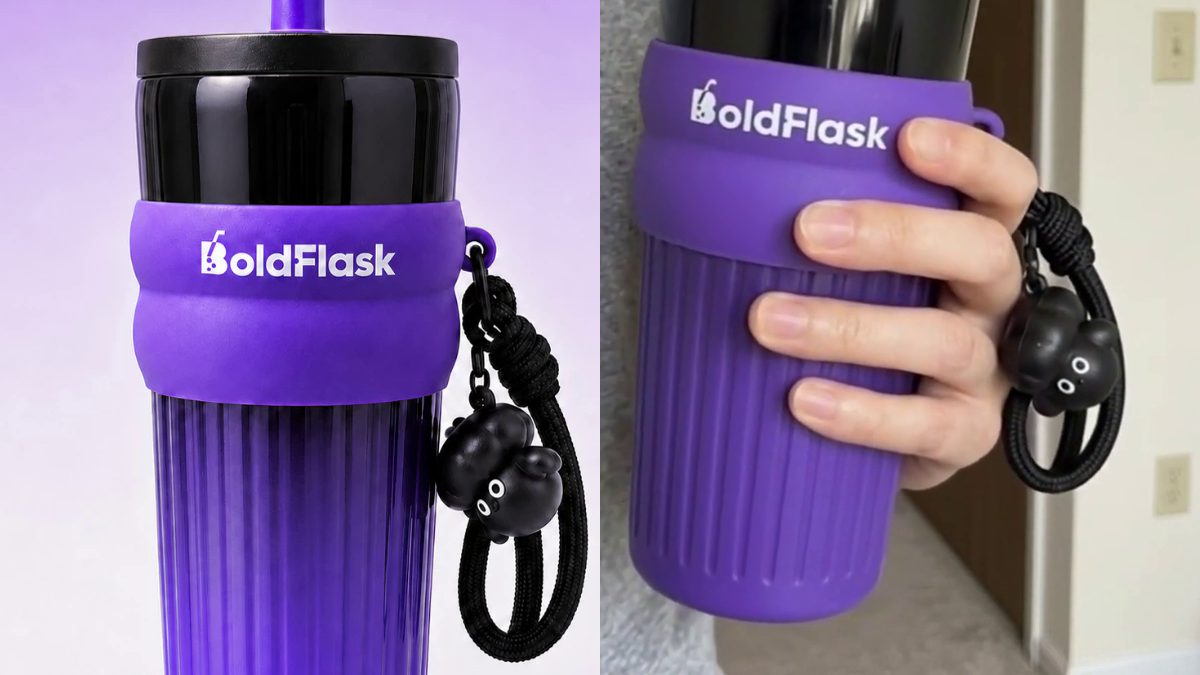
The real venue side-by-side is coming.
This is where you'll see a real property photo next to the delivered frame — your actual space, not one the model invented.
It checks every scene, and throws away what doesn’t match.
Every scene gets compared back against the locks. Does the product in this frame match the product that was uploaded? Is this the same person as the last cut?
When the answer is no, that scene doesn’t reach you. It’s rejected and redone inside the engine.
That’s the whole difference. Most tools generate and deliver — whatever came out is what you get, and you find out afterwards whether you got a usable one. Ugcly is verification-gated: it checks first, then delivers.
We don’t promise a flawless frame. We promise nothing reaches you that hasn’t been checked.
You get one file, in the shape your platform wants.
Not a folder of takes. Not a project to finish. One video, with the voiceover recorded and the captions burned in, sized for wherever it’s going — TikTok and Reels, a square feed post, or widescreen.
Download it and post it. There’s nothing left to do.
One shot, no back and forth fighting with AI.
If it doesn’t finish, you’re not charged.
Credits come off when a video is delivered, not when one is attempted. If something breaks on our side, nothing comes off your balance.
A video takes about ten minutes. You can close the tab — it keeps going without you.
A few photos. About ten minutes.
Make my first adFree to sign up — you only pay when a video is delivered.